Fitness equipment movers on Long Island
Gym equipment goes into a room in pieces and it rarely comes out any other way. The work is disassembly, keeping track of hardware, and getting concentrated weight up or down a set of stairs without damaging the equipment, the stairs or anybody.
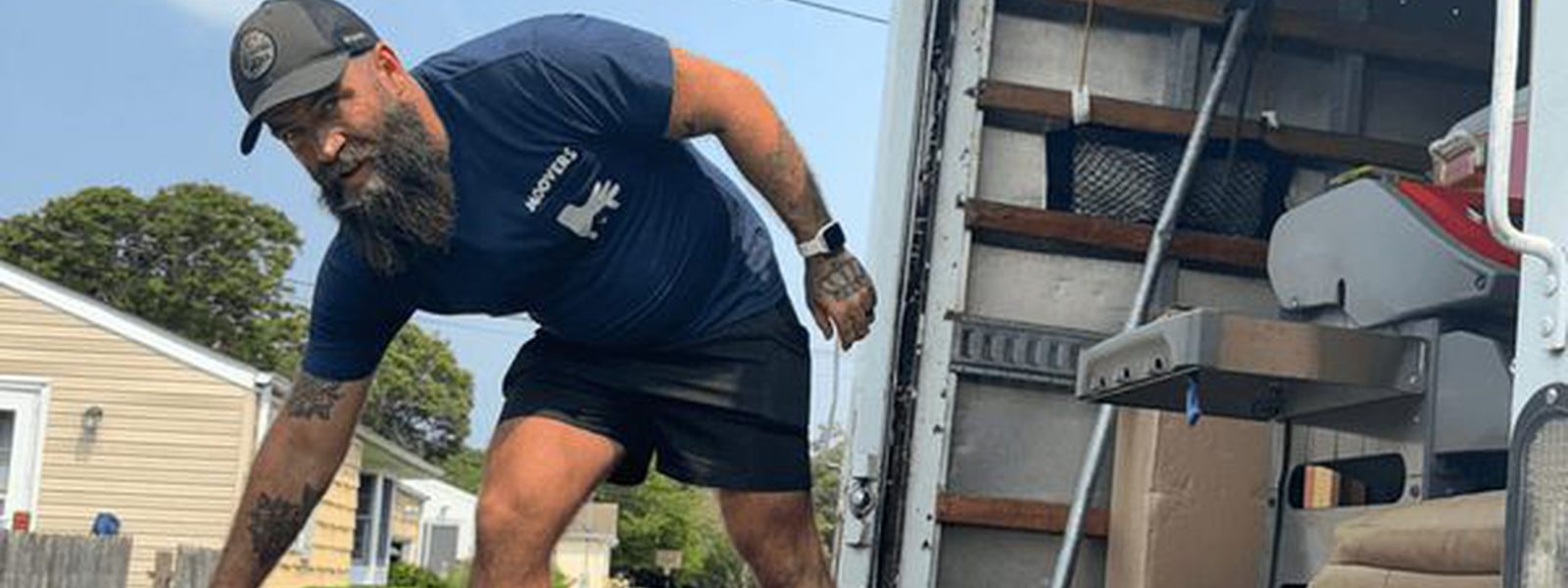
Almost none of it fits through a door assembled
A treadmill deck folds but the frame stays wide, and the motor end is where most of the weight sits. A power rack or half rack is bolted together and comes apart into uprights, crossmembers and safeties. A multi-station gym separates into a frame, a weight stack, guide rods, pulleys and cables. Ellipticals are heavier than they look and awkward because the mass is high and off-center.
Assembled units also do not survive being tipped and shoved. Frames rack out of square, guide rods bend, and console mounts crack. Taking a machine down properly is usually faster than fighting it through a doorway, and considerably cheaper than replacing it.
Hardware, cables and the order it goes back together
Photograph everything before a single bolt turns. Cable routing on a functional trainer or a multi-station gym is the part people cannot reconstruct from memory, and one photo per pulley saves an hour at the other end. Find the model number while you are at it, because the exploded diagram in the manual is the fastest way to get reassembly right.
Every bolt, pin, washer and spacer goes into a labeled bag taped to the piece it came off. Not into one communal bucket. Hex bolts on racks and benches come in more lengths than you would expect, and a rack reassembled with the wrong length in the wrong hole is a rack you do not want anyone loading.
Plates, dumbbells and what stairs can take
Weight travels in small quantities. A few plates per small box, dumbbells split across several, and nothing in a carton that a person cannot lift cleanly. A big box of plates is a box that will let go through the bottom, usually over a foot.
Then there are the stairs. A basement gym means bringing hundreds of pounds up a narrow flight with a turn at the bottom, in the order that keeps the heavy items lowest and moving first. Treadmill down or up a set of steps is the same problem in one piece rather than many. Measure the stair width and the turn, count the steps, and send a photo before the day.
Where it lands, and what it needs there
Measure the new room before anything is carried into it. Ceiling height for a rack, and enough height for a person standing on a raised treadmill deck rather than standing on the floor. Clearance behind a treadmill, swing room around a functional trainer, and enough space around a rack to actually load a bar.
Check the power situation too. Treadmills draw more than most rooms are set up for, and whether an outlet or a circuit is adequate is a question for an electrician rather than for the moving crew. Get mats or floor protection down before the equipment goes in, level the pieces on the surface where they will live, and set the big items before the rest of the room fills up.
25+
Years moving Long Island
2
Counties covered, Suffolk and Nassau
7 days
A week we run crews
$0
Hidden fees on a quoted job
Licensed and insured. NYSDOT #42381, USDOT #4161235. Certificates of insurance provided for buildings that require one.

Book a walkthrough, keep the Starter Kit
Three professional-grade boxes, two rolls of tape and one of the moving blankets our crews use on real jobs. Yours to keep, for moves of two bedrooms and up. No purchase and no obligation.
See what is in the kit